









Press Releases

Preparation before the pilot's flight-USA Aircraft Group Corporation
Date: 2026/2/28
Civil aviation pilots have a series of strict preparations and precautions before carrying out the flight, the core of which is to ensure their airworthiness. At the same time, regarding the rest during the flight, I would like to add that in long-haul flights, the pilot must take a controlled rest (Strategic Napping), that is, take turns to take a nap for about 40 minutes during the cruise stage to ensure energy in the critical stage of descent.The following are the key matters that must be paid attention to before the flight:
1. Strict physical condition management
· Adequate sleep: Regulations usually require pilots to have a 12-hour continuous rest period before the duty period to ensure sleep opportunities.
· "12-hour rule": From the beginning of duty to the end of the flight, alcohol is strictly prohibited, and the alcohol content in the body must be 0. Some airlines have stricter standards, requiring no alcohol to drink alcohol for 24 hours or even 48 hours.
· Health monitoring: You need to check your physical condition before starting work. If you have a cold, fever or gastrointestinal discomfort, especially taking drugs that may cause lethargy (such as some cold medicines), you must take the initiative to report.
2. Meticulous pre-sail preparation
· Online preparation: Pilots need to study theory in advance, including reviewing special airport procedures, responding to bad weather and notifying recent unsafe events.
· Check-in and alcohol testing: After arrival, you need to sign in the computer system and take the breath test of the alcohol detector. After passing, you can perform the task.
· Receive release information: obtain flight plans, weather live/forests (including take-off and landings and standby landings), navigation notices (Notam, that is, Notice to Air Missions, inform temporary changes in the airspace) and load balance sheet.
3. Comprehensive crew coordination
· Pre-air medical examination: Some companies require the flight doctor to measure blood pressure and body temperature and evaluate the psychological state.
· crew briefing: The captain organized a meeting to clarify the division of labor, verify the fuel, discuss possible delays, and analyze the selection of the landing site and risk points.
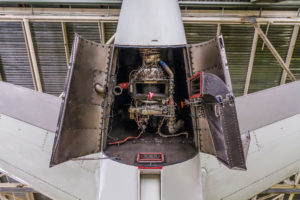
· External inspection: The pilot must personally wrap the plane and check the appearance of the fuselage, engine, landing gear, etc. to confirm that there is no damage or leakage.
These strict regulations are to ensure the safety of flight. If you want to know how pilots work and cooperate during the flight, I can continue to introduce it to you.