






Press Releases

Flight life-USA Aircraft Group Corporation
Date: 2026/1/26
The "lifespan" of civil aircraft is usually not measured by a simple year, but is determined by multiple factors, which can be mainly summarized as the following three core indicators:1. Flight hours life
This is the most important restriction. Aircraft structures (especially the fuselage and wings) are subjected to the cyclic pressure of "pressurized-decompression", which leads to metal fatigue. The designed flight life of modern jet airliners is usually between 60,000 and 120,000 flight hours.
· For example: a plane that flies for 8 hours a day and 300 days a year accumulates about 2,400 hours a year. Based on 60,000 hours, its theoretical flight life is about 25 years.
2. Cycle life of take-off and landing
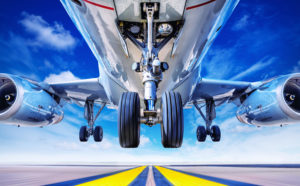
Every take-off and landing (a take-off and landing cycle) will exert great pressure and impact on the landing gear, fuselage and other structures. This is also a key indicator for measuring the life of an aircraft. The design cycle life of an aircraft is usually between 20,000 and 60,000 cycles.
· For example: An aircraft used for short-haul routes may perform 6-8 take-off and landing cycles a day, and it will reach the cycle life limit much faster than the aircraft mainly used for long-haul routes.
3. Calendar age
Even if the flight hours and the number of cycles are not high, the calendar age of the aircraft will cause problems, such as:
· Corrosion: especially aircraft operating in humid areas or sea routes.
· Parts aging: Seals, wires, interior decoration and other materials will naturally age.
· Technology is outdated: the old cockpit, engine efficiency and passenger comfort may not be able to compete with the new generation of aircraft, resulting in a decline in operational economy.
· Changes in regulations: New safety or environmental regulations may make the cost of continuing to operate old aircraft too high.
Generally speaking, a flight service of 25-30 years is a relatively common range, but there are many aircraft that are more than 35 or even 40 years old that are still operating under certain conditions.
Other key factors affecting the actual decommissioning time of the aircraft
1. Operational economy: This is the first factor for airlines to decide to retire aircraft. When the maintenance cost and fuel consumption (the old engine consumes more fuel) are higher than the cost of purchasing or leasing a new aircraft, even if the aircraft can still fly, it will be retired.
2. Market demand: During the downturn of the aviation industry (such as during the epidemic), a large number of older aircraft will be sealed or retired in advance.
3. Aircraft model and design: Some models are designed with classic design, high reliability and easy maintenance (such as Boeing 737 Classic, Airbus A320 series), and their service life tends to be longer.
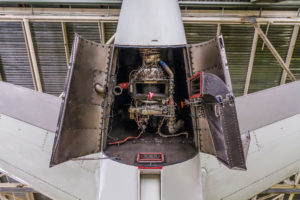
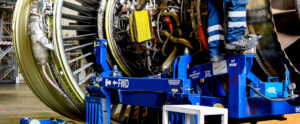
4. Maintenance status: Aircraft that carry out high-standard maintenance and major overhaul (such as D inspection) in strict accordance with procedures can greatly extend the service life.
Five. Second-hand market and modification value: Decommissioned airliners may be sold to other airlines or modified into cargo aircraft (cargo aviation is more sensitive to economy and more tolerant of old aircraft), thus obtaining a "second spring".
Sum up
· There is no single "expired" year. The life of a civil aircraft is a "three-dimensional restriction" composed of flight hours, take-off and landing cycles and calendar age.
· Economy is the final decision. Most airplanes are retired not because they "can't fly", but because they are "unprofitable".
· Typical scope: In mainstream airlines, it is common for an aircraft to be decommissioned after 20-30 years of operation. Through good maintenance and appropriate operational roles (such as converting to cargo aircraft), the service life of some aircraft can be extended to more than 40 years.
Therefore, the next time you take a plane, you can rest assured that its "age" is far less important than its flight hours, cycle number and maintenance records. All these data are closely monitored by aviation authorities and airlines to ensure absolute security.