




Press Releases

Handling of retired aircraft-USA Aircraft Group Corporation
Date: 2026/1/7
The disposal of retired civil aircraft is a systematic and multi-link process aimed at maximizing asset value, safety and environmental protection, and resource recycling. The following are the main treatment methods and steps:1. Retirement decisions and resale
·Second-hand market sales: Shorter and in good condition aircraft may be sold to other airlines (especially low-cost or emerging market carriers) or freight companies (passenger conversion).
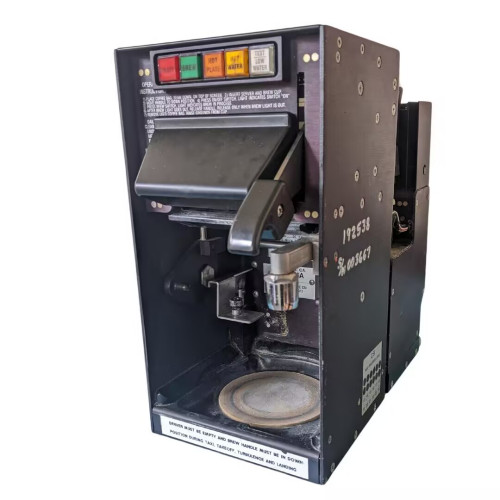
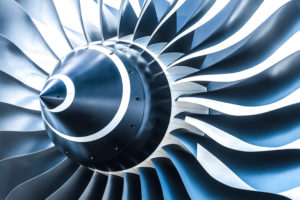
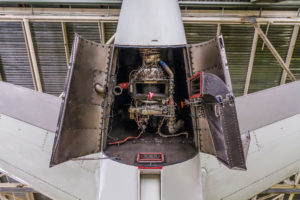
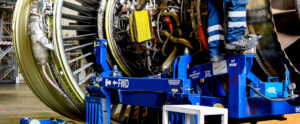
·Partial dismantling and utilization: High-priced components such as engines and avionics systems can be disassembled as spare parts (the "aircraft cemetery" is an important source), and the value may account for more than 60% of the aircraft's residual value.
2. Sealed storage ("aircraft cemetery")
·Location: Select more dry desert areas (such as Mojave in the United States, Gansu in China, etc.) to reduce corrosion.
·Purpose: Temporarily parked for resale, or long-term storage to cope with market fluctuations.
·Maintenance: Maintain regularly to ensure future reactivation.
3. Dismantling and component recycling
·Professional disassembly: Performed by certification bodies (such as Cirium, Aircraft Demolition) and disassembled according to manual specifications.
·Component flow direction:
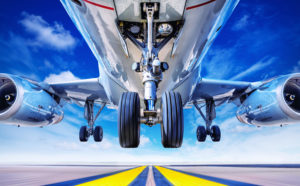
·Engines, landing gear, avionics: renovated as spare parts.
·Interior seats: enter the second-hand market or for special purposes (such as theater seats).
·Skin, aluminum alloy frame: melted and recast into new materials.
4. Customer-to-Goods (PTF)
·Applicable models: Boeing 737, 747, 757, 767 and other mainstream models.
·Process: Strengthen the fuselage, install cargo doors, remove cabin facilities, extend the service life by 10-15 years.
5. Innovative transformation and reuse
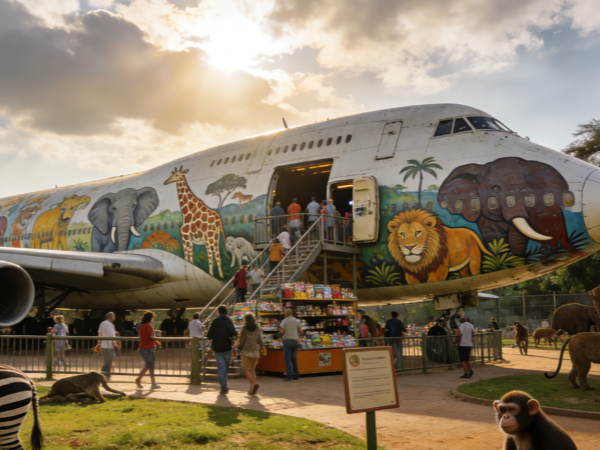
·Themed facilities: changed to restaurants, hotels, and simulated experience halls (such as the 747 Aircraft Hotel in Stockholm, Sweden).
·Education and training: For practical teaching in aviation colleges or training institutions.
·Charity donation: Part of it will be donated to museums or fire training (for drills).
6. Environmentally friendly recycling and material recycling
·Metal recycling: The recovery rate of aluminum alloy exceeds 90%, which is used in automobiles, building materials and other industries.
·Composite material processing: Carbon fiber component processing technology is still under development, with some attempts to use it for building materials or insulation materials.
·Hazardous material disposal: Properly handle pollutants such as fuel, hydraulic oil, and batteries.
7. Policies and industry initiatives
·EU initiative: Promote aircraft recovery target to above 90%.
·China initiatives: Encourage the establishment of green dismantling centers (such as Harbin and Xiamen).
Challenges and future trends
·Composite materials surge: New generation aircraft (such as Boeing 787 and Airbus A350) account for a high proportion of carbon fiber, and efficient recycling technology needs to be developed.
·Electric/hydrogen energy aircraft: Battery and fuel cell treatment for retired aircraft in the future will become a new topic.
·Circular economy: The industry is exploring full life cycle environmentally friendly design to improve recyclability.
The disposal of retired aircraft has formed a complete industrial chain, from economic value mining to environmental protection recycling, reflecting the aviation industry's emphasis on sustainable development. With the advancement of technology, resource utilization will further increase in the future.