





Press Releases

Why should the plane be destroyed-USA Aircraft Group Corporation
Date: 2025/11/27
The dismantling and destruction of decommissioned civil aircraft is a complex but crucial process. There are multiple reasons behind it, which are far more than "destruction". Simply put, the core reasons are: safety, economy, environmental protection and regulations.Let's analyze these reasons in detail:
1. Safety reasons (the most core reasons)
· Technical life and structural fatigue: Airplanes will be "tired" like people. Each take-off and landing, supercharging and decompression will cause a small stress cycle on the fuselage structure. After tens of thousands of flights, metal will produce "metal fatigue", and its strength and reliability will decrease. Even if it is carefully maintained, its security risks will increase over time. Continuing to fly is no longer economically and safe.
· Aging and outdated parts: Old avionics systems, mechanical parts and cables are not only expensive to maintain, but also may not meet the latest safety standards. It is extremely expensive to ensure that these components that exceed the design life are absolutely safe.
2. Economic reasons (the most direct driving force)
· High maintenance costs: The older the aircraft, the more frequent and complex the inspection and maintenance are required. In order to maintain airworthiness certification, airlines need to invest a lot of money and manpower, which soon becomes unprofitable.
· Low operational efficiency: The fuel economy of old aircraft is usually poor. Compared with modern new aircraft (such as A320neo and 737 MAX), they consume 20%-30% more fuel or even more. In today's high oil prices, this is a huge disadvantage in operating costs.
· High insurance premiums: The older the machine, the higher the insurance rate, which further increases the operating cost.
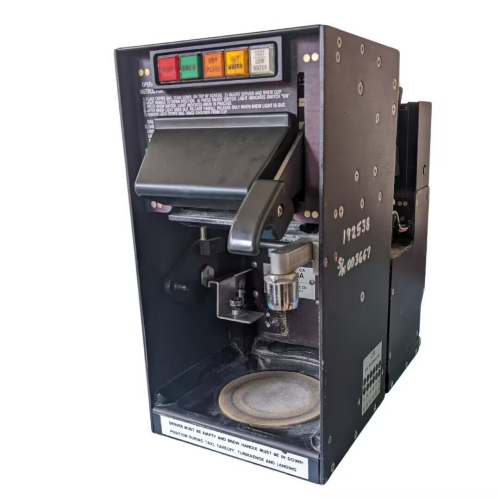
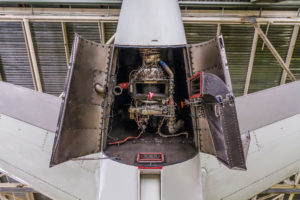
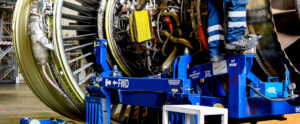
· The value of parts is higher than the value of the whole machine ("parts are more expensive than airplanes"): This is the key economic driving force for dismantling aircraft. An old aircraft may not be worth much to sell as a whole, but if it is disassembled, thousands of parts (engines, landing gears, aviation equipment, actuators, etc.) on it can be sold as "second-hand aviation materials". The price of these certified parts is much lower than that of new parts, and there is a large market demand for the maintenance of the fleet of the same model that is still in service. In many cases, the total income from the sale of parts after the disassembly of an aircraft will far exceed the value of its sales as a whole machine.
3. Reasons for environmental protection and regulations
· Noise and emission regulations: The International Civil Aviation Organization (ICAO) and governments have formulated increasingly strict regulations on noise (such as the Chapter 4 standard) and emissions (such as the CAEP standard). Many old aircraft cannot meet these new standards, are prohibited from flying at certain airports or require high fines, thus limiting their route networks and greatly reducing their commercial value.
· Environmental recycling: The aircraft disassembly industry is becoming more and more standardized and environmentally friendly. Professional aircraft disassembly and recycling centers (such as aircraft cemeteries in the United States) will systematically disassemble aircraft and classify materials:
· Composite materials: Recycling technology is still developing, but some of it can be used in other industrial fields.
· Other materials: Seat fabrics, carpets, plastics, etc. are also recycled as much as possible.
· Dangerous goods: such as fuel oil, hydraulic oil, engine oil, etc. will be professionally collected and processed to prevent environmental pollution.
4. Market reasons
· Fleet modernization: In order to maintain competitiveness, airlines need to operate modern, comfortable and passenger-popular fleets. The cabin layout and entertainment system of old aircraft are often outdated.
· Second-hand market saturation: When a certain model of aircraft is decommissioned in large numbers, the second-hand aircraft market will be oversuppled, causing their resale prices to plummet, making disassembly a more profitable option.
"Second Spring" after dismantling: Not all aircraft have been destroyed
It is worth mentioning that not all decommissioned aircraft are going directly to dismantle. They have other ways out, although these ways account for a relatively small proportion:
1. Passenger to cargo: Some medium-sized aircraft with good structural condition (such as Boeing 757 and 767) will be converted into cargo aircraft and continue to serve for many years.
2. Sell or lease to small airlines: In areas with loose regulations and low operating costs, these aircraft may still have "excess heat".
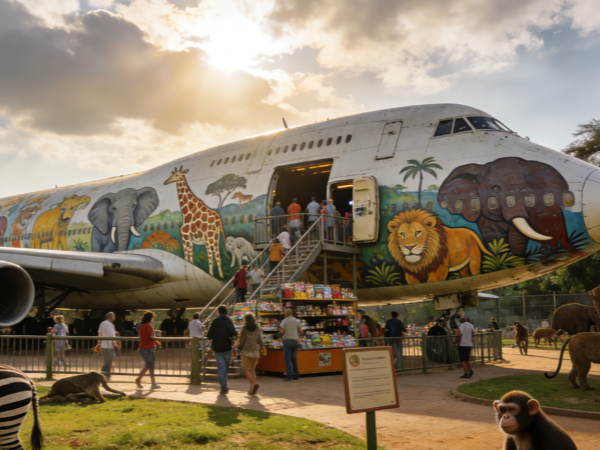
3. Special use: changed to government aircraft, firefighting machine, or used for static display (such as hotels, restaurants, museums).
4. Sealing ("aircraft cemetery"): During the economic downturn (such as the epidemic), airlines will temporarily seal a large number of aircraft in the dry desert to be restarted or sold after the market recovers.
Sum up
In a word, the disassembly and destruction of decommissioned civil aircraft is a comprehensive decision based on safety, economy and environmental protection. It is not a simple "scrap" process, but an industry of systematic resource recovery and value re-excavation. Through professional disassembly, we have ensured the absolute safety of air transportation, maximized the use of resources, and protected the environment.